


Portland’s underground infrastructure sits on volcanic soil that behaves differently than almost anywhere else on the West Coast. The Bureau of Environmental Services has spent decades managing one of the country’s most ambitious combined sewer overflow control programs, and the region’s wet winters keep testing every mile of that investment.
For engineers and contractors handling sewer rehabilitation across Portland, inflow and infiltration (I&I) has stayed central to the city’s Big Pipe Project program legacy and ongoing green infrastructure goals. Recent atmospheric river events moving off the Pacific have kept pressure on a wastewater collection system built for a climate that keeps sending more rain in shorter bursts.
Volcanic Soil Holds Water Longer Than It Should
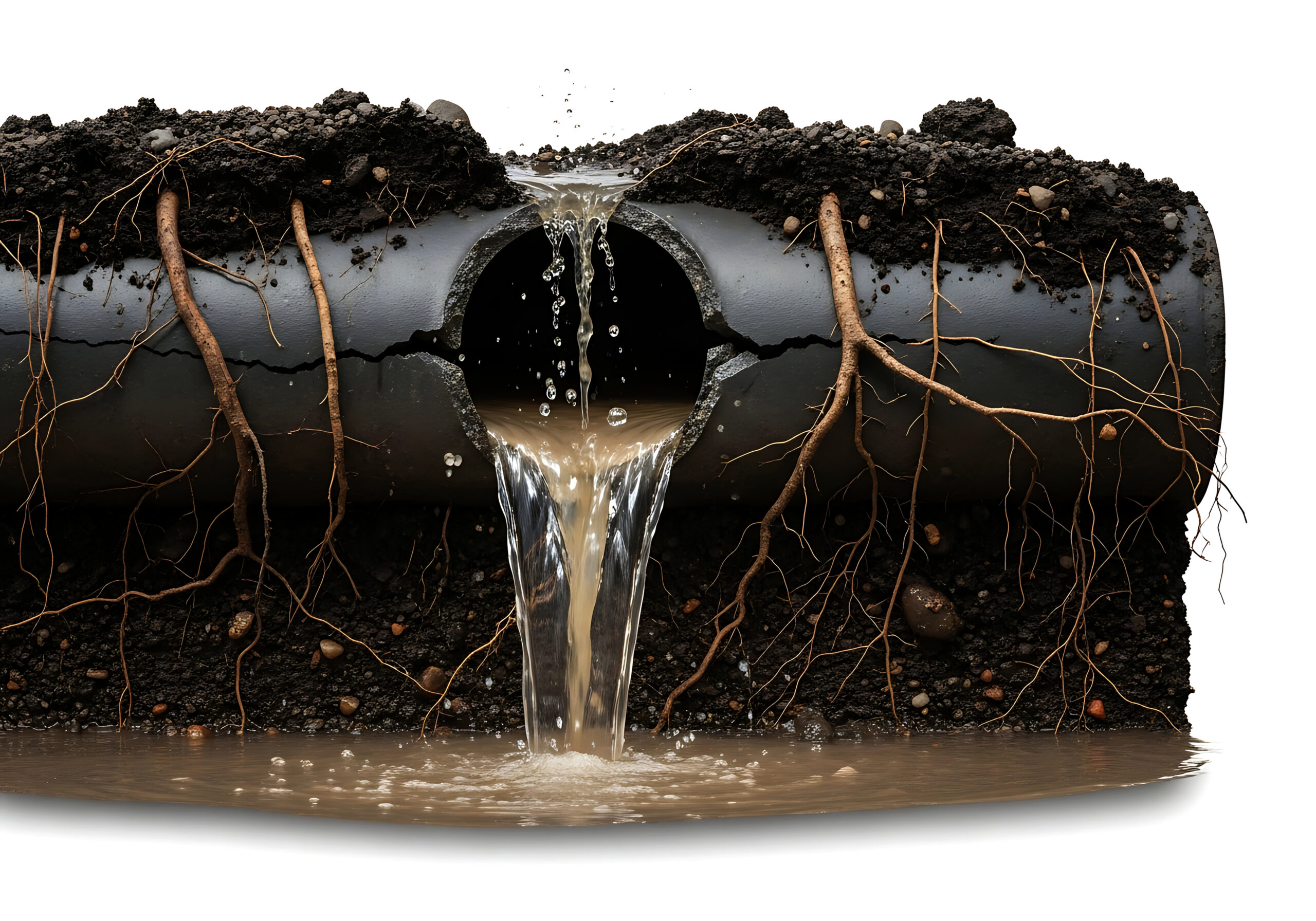
Cracked or broken pipes, leaking pipe joints, and deteriorated manhole walls and joints let groundwater seep into the sanitary sewer system. Sewer inflow arrives separately, through roof drains, yard drains, and surface connections tied straight into the line.
Volcanic soil that drains unevenly and holds groundwater close to the surface for months at a time makes both problems worse here. Portland’s older neighborhoods still carry combined sewer infrastructure in select districts, and a wastewater collection system already carrying excess flow has little margin left once a Pacific storm system parks over the metro for days.
Why Volcanic Soil Complicates the Fix
Portland contractors rely on cured-in-place pipe (CIPP) to renew a deteriorated sewer main without tearing up busy corridors in neighborhoods like Sellwood and Hawthorne, and the trunk line typically comes through structurally sound. What surrounds that trunk line behaves less predictably.
Portland’s basalt-derived volcanic soils shift and settle unevenly depending on moisture content, so a sewer main lined but infiltration persists is a pattern crews document often once they check laterals and connections tied into older sections of the network. A joint that held through a dry summer can separate once the region’s long rainy season saturates the ground again.
Common infiltration sources across Portland include:
- Deteriorated sewer laterals beneath older Sellwood and Hawthorne properties
- Failed main-to-lateral connections stressed by volcanic soil settlement
- Cracked host pipe near Willamette River and creek-adjacent corridors
- Deteriorated manhole walls and joints in remaining combined sewer districts
- Root intrusion in sewer pipes throughout Portland’s mature tree canopy
Diagnosing Across a Long Wet Season
A single dry-season inspection tells engineers little about a system this exposed to Portland’s long wet winters. CCTV inspection and flow monitoring for I&I, run alongside smoke testing and flow monitoring for source identification, is what actually confirms whether a leak sits at the main, the lateral, the connection, or the structure.
Once confirmed, the fix follows the finding: mainline CIPP for structural trunk-line deterioration, cured-in-place pipe lateral lining for a compromised service line, main-to-lateral connection rehabilitation where soil settlement has separated a joint, manhole rehabilitation for a structure cracked by seasonal ground movement, and injection grouting for a small, active, localized leak.
Why This Matters for Municipal Sewer Budgets
The cost of pumping and treating unwanted groundwater keeps climbing as BES works to protect the investment made in the Big Pipe Project program from decades of overflow control work. Sewer overflows during heavy rain carry real regulatory consequences, and excess flow at pump stations and treatment plants strains a system that already treats stormwater and sanitary flow as a shared priority.
Wastewater utility capacity management in Portland depends on treating the network as one connected system, not a set of isolated repairs during the dry season. Specifying CIPP for municipal sewer projects handles the mainline, but rehabilitating public and private sewer laterals, connections, and manholes alongside it is what actually reduces wet-weather flows across a city this shaped by volcanic soil and Pacific storm exposure.
Portland’s rainy season isn’t shortening anytime soon. An I&I reduction program for municipalities here has to hold up through months of saturated ground every single year.
Find a WRT-certified installer serving the Portland area to assess your collection system’s full scope of I&I sources.